
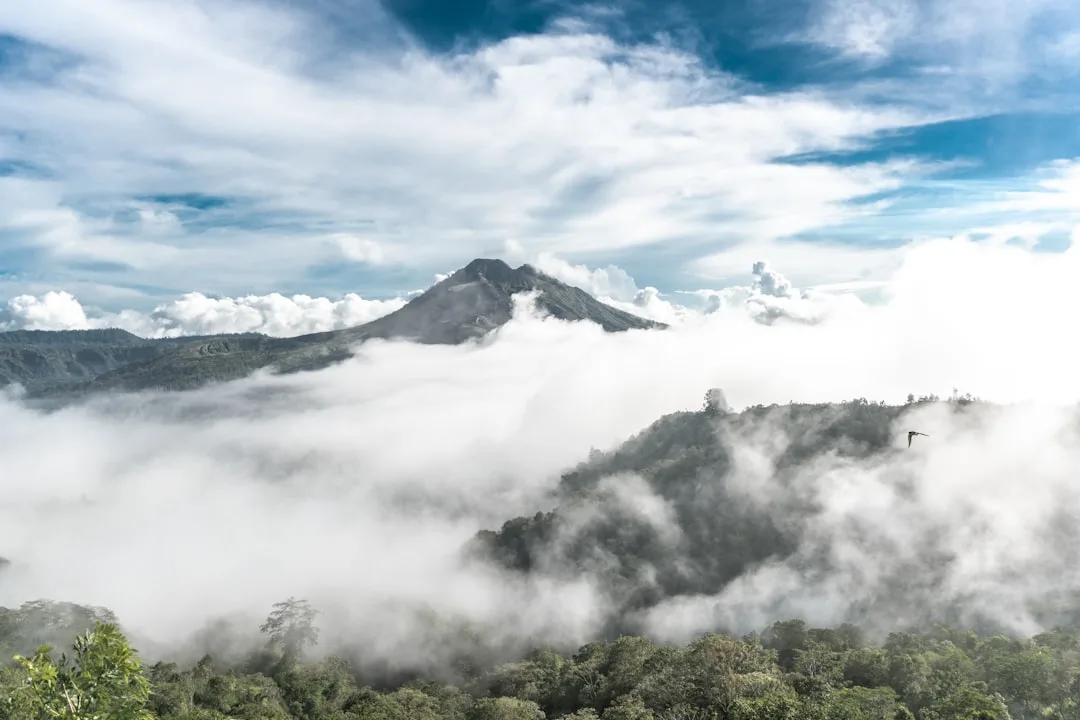
Riding a Bali volcano trail bike through the island’s rugged heart is one of the most unforgettable Bali adventure experiences you can book. The dramatic contrast between steaming crater rims, emerald rice terraces, and dense jungle pathways makes Kintamani and Mount Agung a magnet for off‑road enthusiasts seeking both challenge and scenery.
These volcanic corridors are unlike any other trail in Southeast Asia. The volcanic soil provides firm, yet forgiving traction, while the altitude offers cooler temperatures and crystal‑clear skies. Riders get to witness active geothermal activity, ancient temples perched on cliffs, and panoramic views that stretch over the entire island.
Beyond the visual feast, the Bali volcano trail bike routes are designed for all skill levels. Whether you’re a beginner who wants a guided, leisurely ride through the coffee‑planted hills or an experienced rider craving steep, technical descents, the area offers a spectrum of trails that can be tailored to your comfort zone.
Kintamani, located just north of the famed Mount Batur, is the gateway to some of Bali’s most scenic off‑road adventures. Below are the three most popular routes that combine natural wonder with rideability.
This moderate‑difficulty loop circles the stunning crater lake that mirrors the surrounding peaks. Riders start in the village of Toya Devasya, ascend through coffee plantations, and then dip down to the lake’s edge for a refreshing break.
For those who love cultural immersion, this trail weaves through the iconic terraced fields that cascade down the volcano’s slopes. The route is relatively flat, making it perfect for families or riders who prefer a relaxed pace.
Adventure seekers craving adrenaline will appreciate the steep, rocky sections that lead to the upper rim of Mount Batur’s crater. This trail demands solid bike handling skills and a good level of fitness.
Mount Agung, Bali’s highest volcano, offers a more remote and wild biking experience. The trails here are less crowded, and the landscape feels almost untouched, making it a favorite for seasoned riders.
Two primary routes dominate the Agung area:
Both routes feature natural obstacles such as fallen logs, loose volcanic ash, and steep switchbacks. Riding with a knowledgeable guide is strongly recommended to navigate safely and to learn about the cultural significance of the surrounding temples.
The dry season (May to October) provides the most reliable trail conditions, while the shoulder months of April and November can still be enjoyable with a little extra caution for occasional rain.
Most operators, including HRKADVENTURES, provide dual‑suspension mountain bikes equipped with wide tires that grip the volcanic ash and muddy sections. If you have your own bike, make sure it has at least 2.3‑inch tires and a reliable disc brake system.
Guided tours are ideal for first‑time visitors because guides know the safest entry points, local customs, and the best spots for photo stops. Independent riders should carry a detailed GPS track and inform their accommodation of the planned route.
Altitude can affect some riders, especially on the higher sections of Mount Agung. Take it slow, stay hydrated, and listen to your body. In case of an emergency, most tours have a satellite phone and a basic first‑aid kit on hand.
When you’re ready to turn the dream of riding through Bali’s volcanic heart into reality, choose a reputable operator that combines local expertise with well‑maintained equipment. HRKADVENTURES offers customized itineraries, English‑speaking guides, and flexible pick‑up options from major hotels in Ubud, Seminyak, and Kuta. Their deep knowledge of Kintamani and Agung trails ensures you experience the best of Bali’s off‑road adventure while staying safe and comfortable.
Ready to experience Bali on a dirt bike? Browse our tours!
View All Tours
Oct 08, 2026

